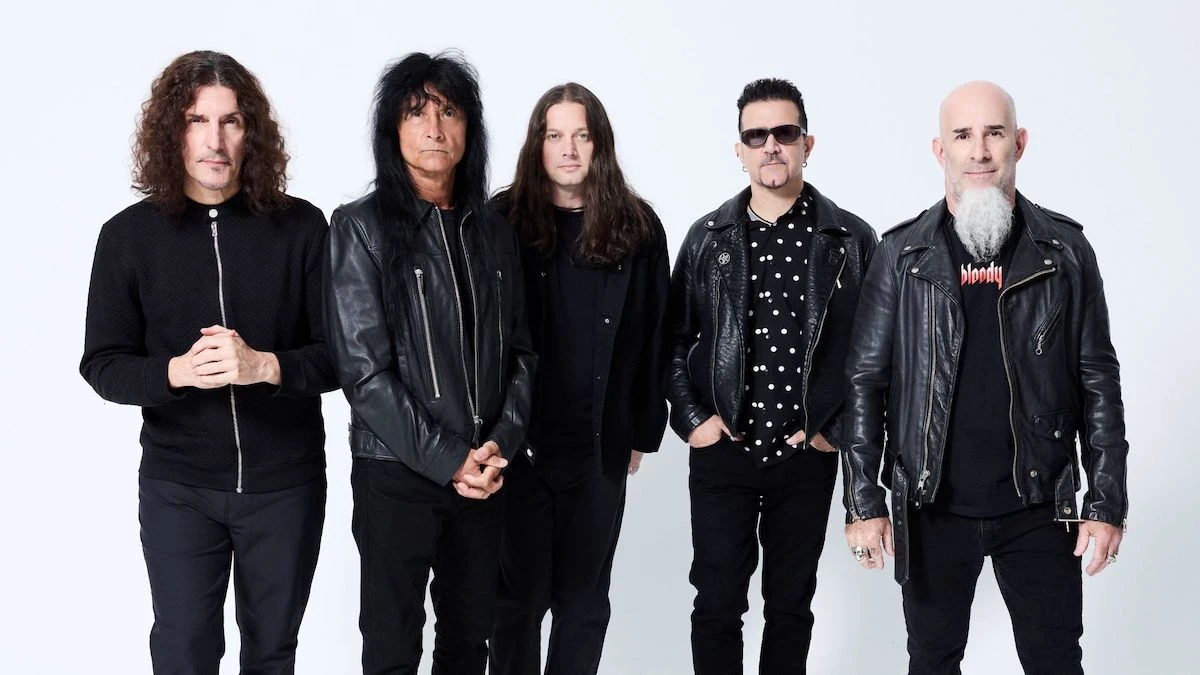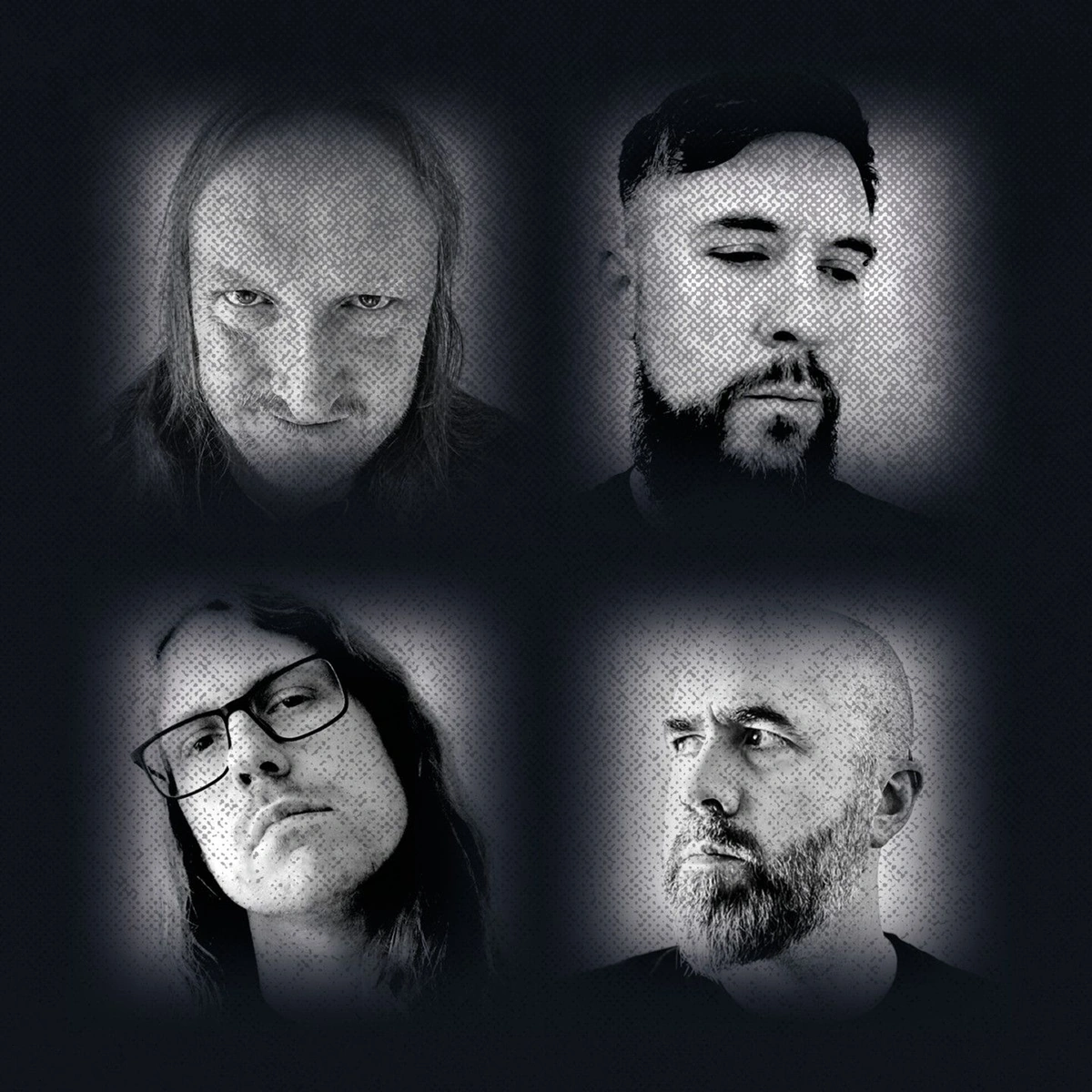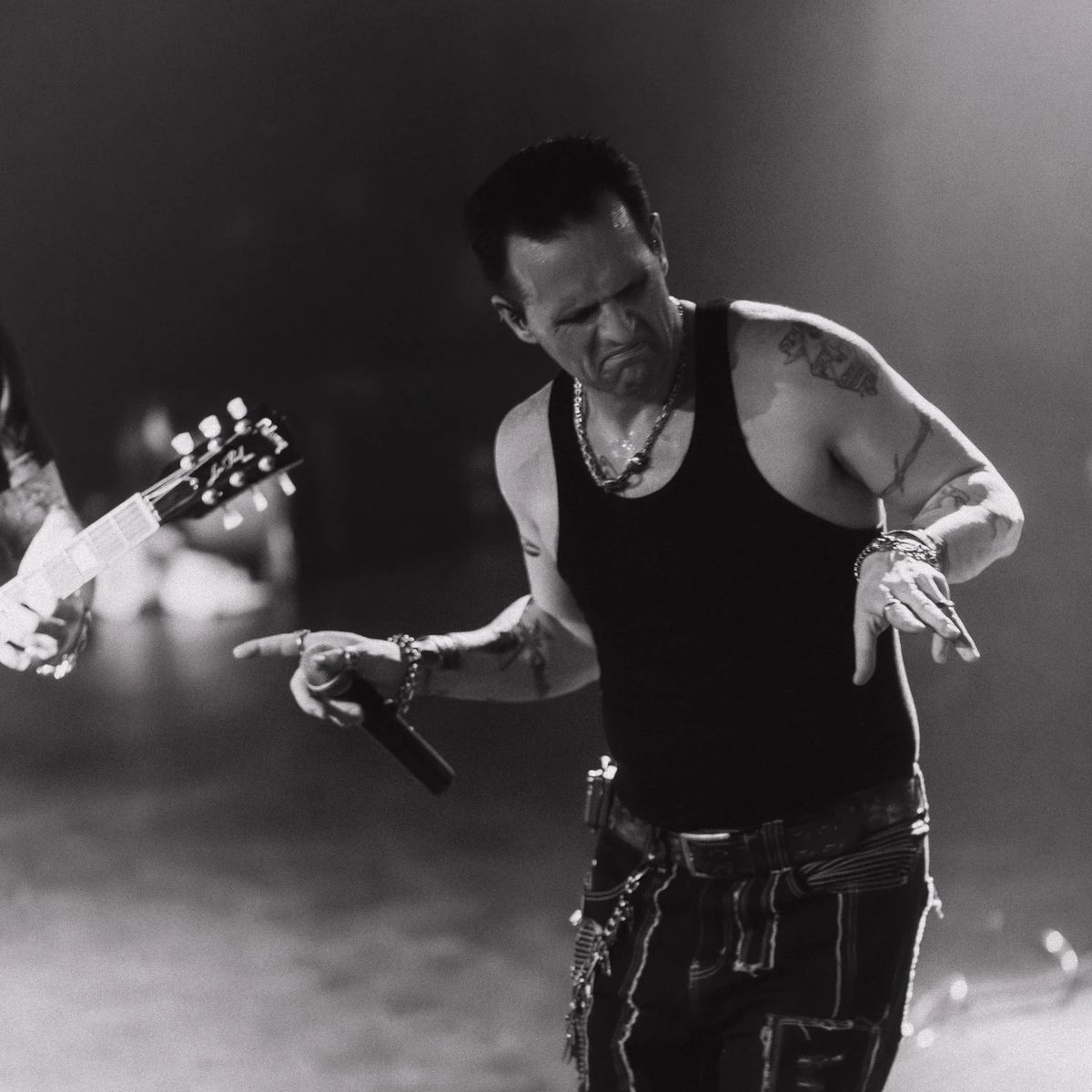

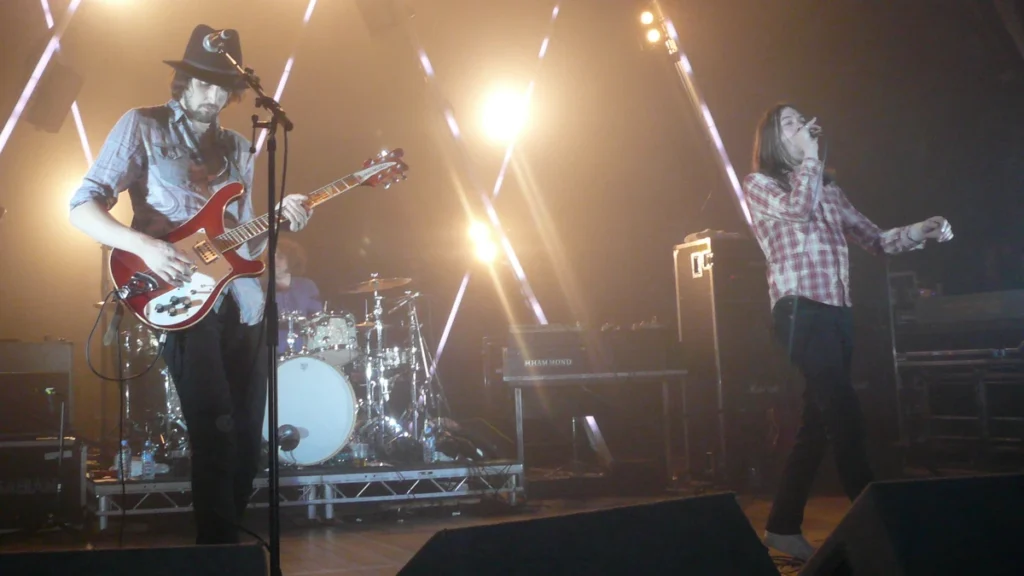
Kasabian performing live
Kasabian performing live
Kasabian released their ninth studio album on 4 September through Sony Music Entertainment UK Limited. It runs just under 33 minutes, which makes it shorter than most of their catalogue and shorter than a single side of some of the records it is being compared to.
The length is the first thing worth noting, because it is doing deliberate work. ACT III is not a band stretching out. It is a band that has decided what it wants to sound like this time and has stopped before the point where an album usually starts explaining itself.
Thirty-Three Minutes and a Dancefloor
What the record leans into is groove. The Upcoming called it an experimental and surprisingly disco-led outing, and that reading holds across the track list rather than at one moment.
Superpowers moves into a funky, synth-led rhythm with an R&B tint. Nothing Better Than This puts the band’s trademark bass hooks against 1980s disco. Hippie Sunshine opens on a heavy bass riff and then turns to piano. Glide builds a cinematic, synth-driven melody that the same review compared to Moby.
For a band whose placement in the rock conversation was built on distortion and volume, that is a different set of reference points. It is also a commercially legible move: the dancefloor has been where guitar bands go when radio stops playing guitars.
The Third Album Without the Original Voice
The context that shapes everything here is a lineup change that is now six years old. ACT III is the band’s third album since the 2020 departure of then-lead singer Tom Meighan, with Serge Pizzorno handling frontman duties.
That transition is the hinge every review of this record turns on, and reviewers have not agreed about how it is going. Writing for the Daily Bruin, Chenrui Zhang described a band presenting a different Kasabian from the rugged, aggressive group behind Club Foot and Underdog, and concluded that the album remains a mediocre record while the band continues its search for identity in the post-Meighan era.
The two reviews do not contradict each other so much as weigh the same evidence differently. Both hear a band moving toward dance music. One reads that as an experiment worth making; the other reads it as a band still looking for a centre.
Where the Album Holds and Where It Slips
The tracks both reviews single out are instructive, because they are not the same ones.
Soulmate opens the record after a short prelude and is the song that most resembles the band’s established sound, built on distorted electric guitar and heavy kick drums, with belting vocals in the verses. The Daily Bruin called it the most Kasabian song on the album. The Upcoming heard it as a ratchety spoken-word blitz, thick and boisterous.
The weaker stretch, by that same account, sits in the middle. The Guru and the Crypto Time Machine and Hyper//Rising were judged not melodious enough to be anthemic and not disturbing enough to hold attention, straying from the dancefloor energy without landing back in the band’s older register either.
Glide divides opinion most sharply. The Upcoming listed it among the album’s stronger moments. The Daily Bruin called it the least Kasabian-sounding track on the record, built from acoustic guitar, piano and strings with heavily reverbed vocals, and judged it out of place between two distorted, percussive songs.
A three-minute song that one reviewer counts as a highlight and another counts as a sequencing error is usually a sign of a record that is genuinely trying something, rather than one that is failing at something familiar.
The Song That Says What the Album Is About
Great Pretender is the clearest statement on the record and the one that explains the rest of it. Written and composed solely by Pizzorno and released as a single in April, it is a mellow and intimate account of impostor syndrome, setting lyrics about isolation and disillusion against a major key.
The Daily Bruin drew a direct line from it back to Thick As Thieves from 2009, which criticised insincerity sarcastically, and noted that Great Pretender offers an escape from it instead.
That is a fairly exposed thing for a frontman to release six years into a role he did not originally hold. Read against the album’s move toward dance music, it also explains the runtime. A band working through a question about who it is does not need 55 minutes to ask it.
What the Numbers Say So Far
Early critical aggregation is thin, which is normal for a record less than two weeks old. Album of the Year holds a critic score of 80 based on a single review, from Clash, alongside a user score of 61 drawn from 128 ratings, and lists the album under neo-psychedelia, alternative dance and psychedelic pop. Its credits name Sergio Pizzorno and Mark Ralph as producers, with Pizzorno as writer.
That gap between a critic score and a user score is the most telling number available at this stage, and it is the pattern a genre pivot usually produces. Critics tend to reward a band for taking a risk. An existing audience that arrived for a specific sound tends to mark it down for the same decision.
Both numbers will move as more reviews and ratings land. The more useful question is whether the tracks that reviewers keep naming as highlights hold their placement in setlists and streaming catalogues a year from now, which is the test a record like this eventually faces.
What a Thirty-Three-Minute Album Signals
Runtime is a decision, and on a ninth album it is rarely an accident. A band with this much catalogue has the material to fill an hour if it wants to. Stopping at 33 minutes means somebody decided the record was finished.
The obvious reading is a streaming one. A shorter album asks less of a listener who has not committed to the band, and it is easier to play twice. A long record invites skipping, and skipping is the metric that most directly shapes whether a track holds its placement in a playlist or drops out of rotation. A tight run gives every track a better chance of being heard to the end.
The less obvious reading is editorial, and on this record it fits better. A 33-minute album cannot carry filler, because there is nowhere for filler to hide. On a 55-minute release, two tracks that do not work are a minor drag on the whole. On this one, the two that reviewers flagged in the middle are a meaningful share of the running order, which is why they are being discussed at all. The format raised the stakes on every song.
It also affects how the dance-leaning material reads. Spread across an hour, the disco and synth tracks would be one colour in a wider palette and easy to treat as experiments. Concentrated into 33 minutes alongside a handful of heavier songs, they are the dominant character of the record. The length is what turns a set of experiments into a statement about direction, which is the thing reviewers are actually arguing about.
A Catalogue Decision, Not a One-Off
What separates ACT III from a band simply trying something is that it is the third consecutive album made under the same circumstances. A single dance-leaning record can be a detour. Three albums into a new configuration, the direction is the catalogue.
Release-week choices around it have been unusually quiet: no year-stamped campaign, no extended edition, a short run time and a September date that puts it alongside a crowded month of rock releases. Other bands have been more visible about scheduling this autumn, including when Queens of the Stone Age scratched out their release date.
For listeners deciding whether to spend 33 minutes on it, the honest summary is the one both reviews support. This is a Kasabian record that moves toward the dancefloor, opens strongly, sags in the middle, and says more about where the band is now than any interview would. Whether that counts as a resolution or a continued search is, on the current evidence, still an open question.
About Author