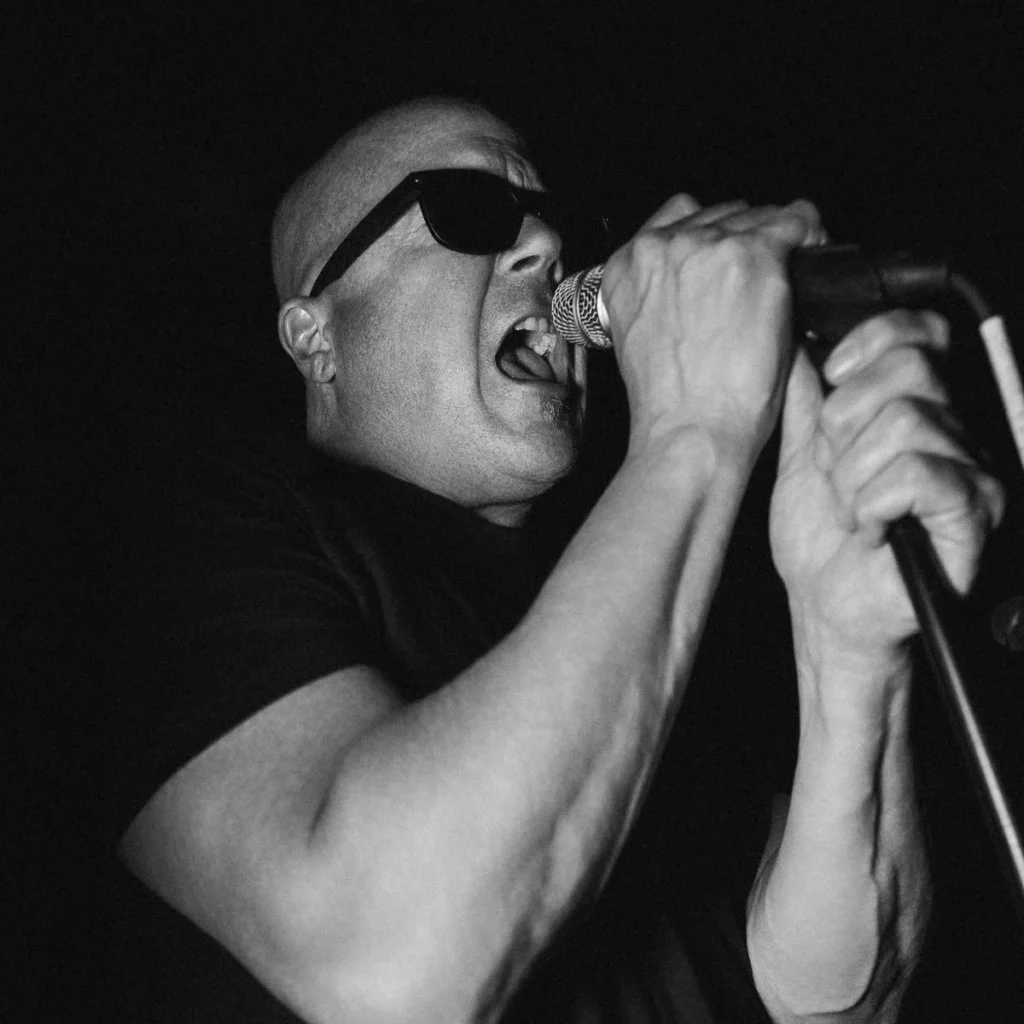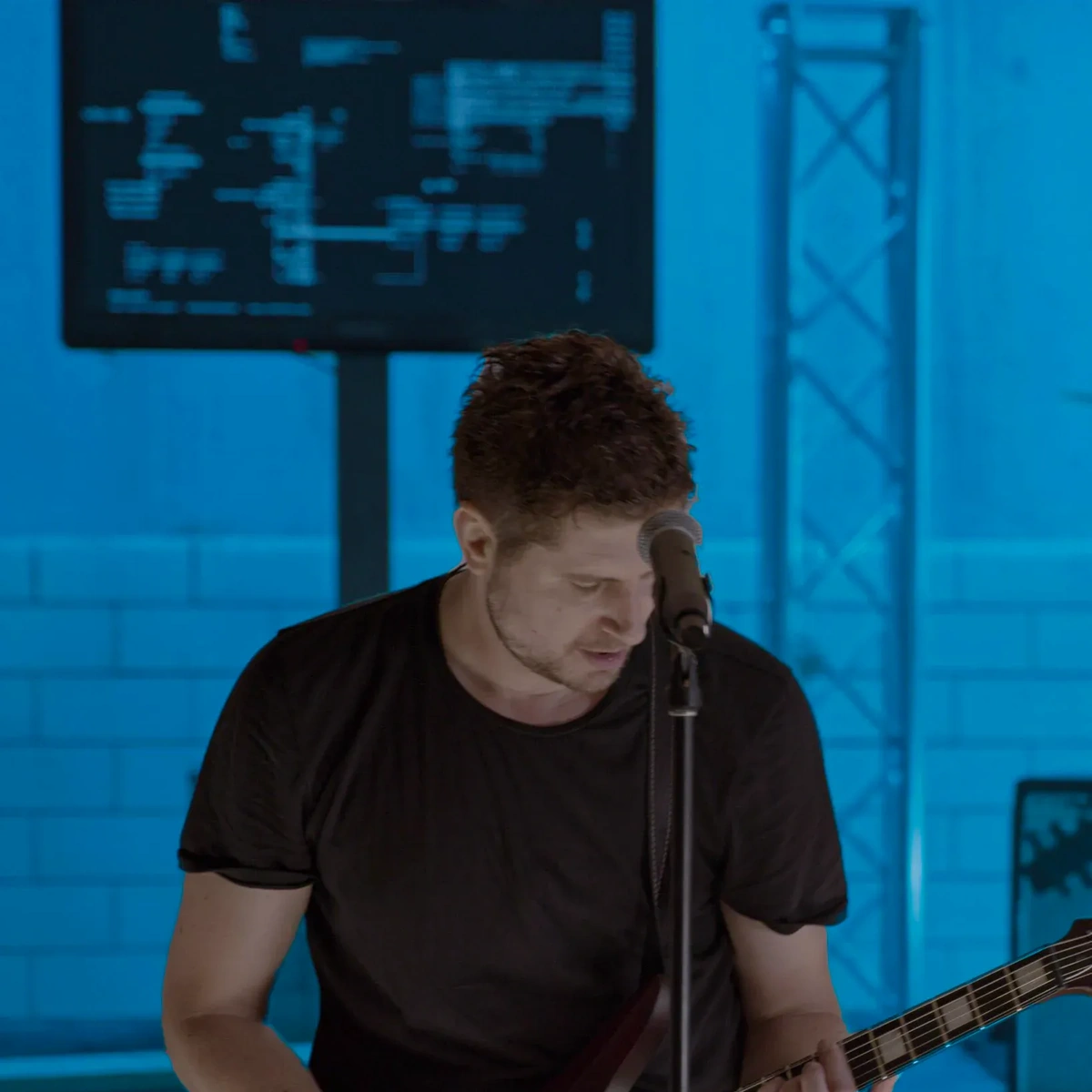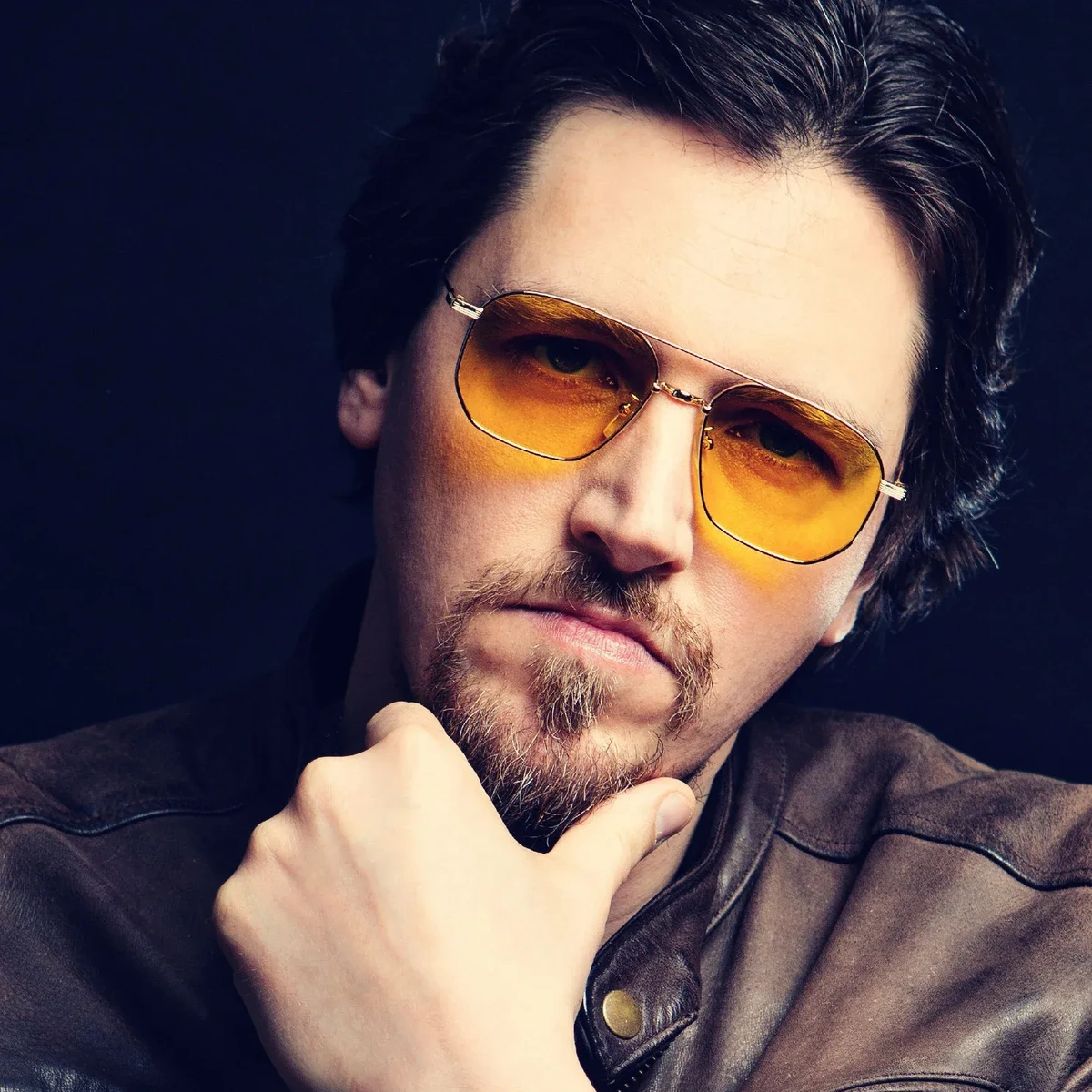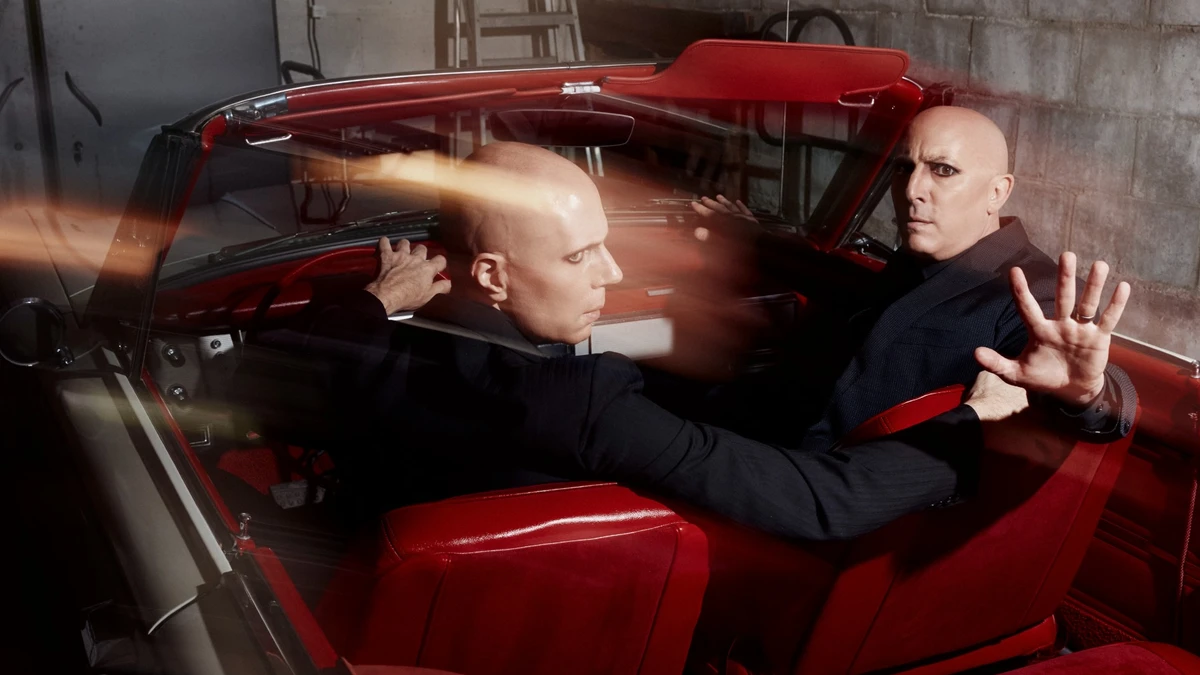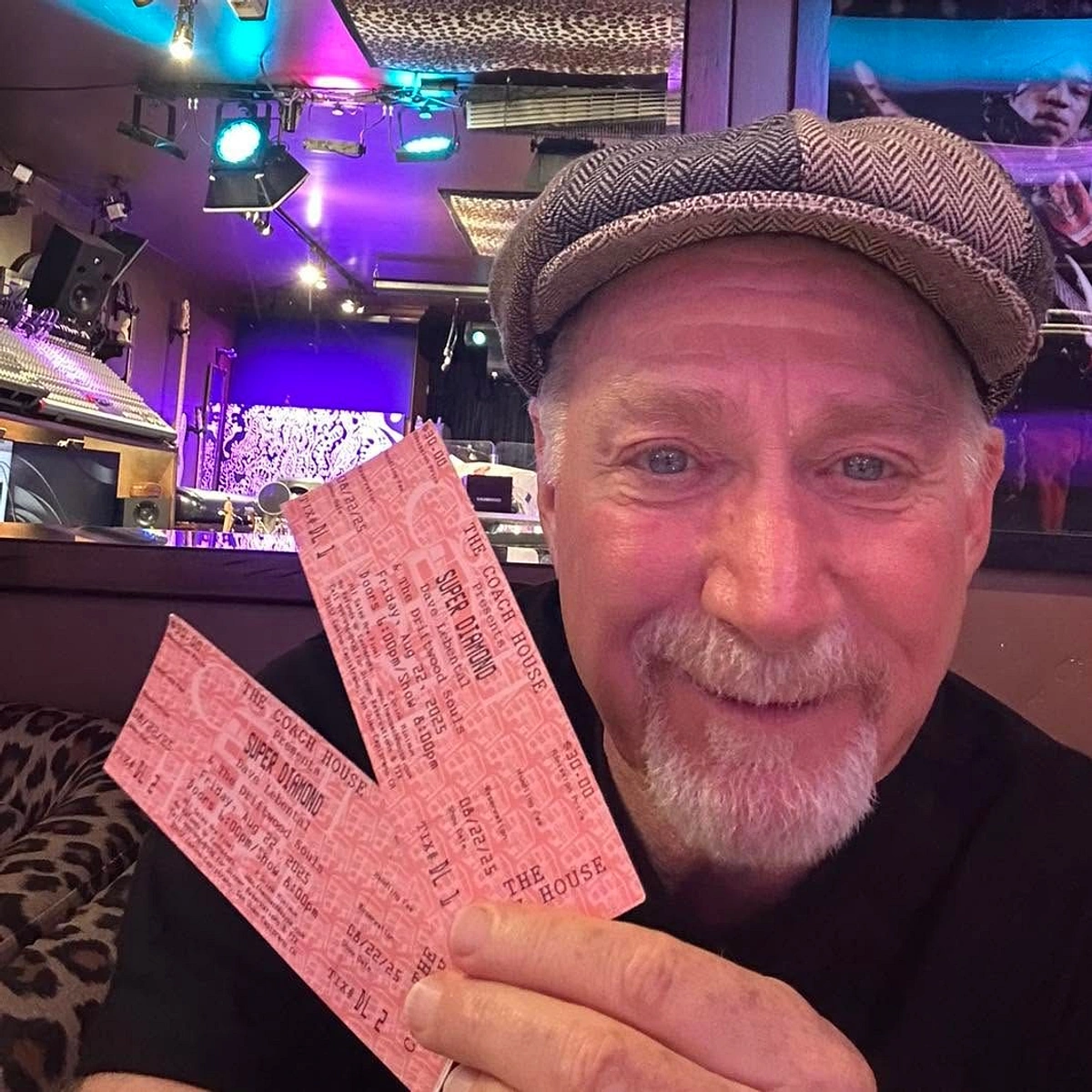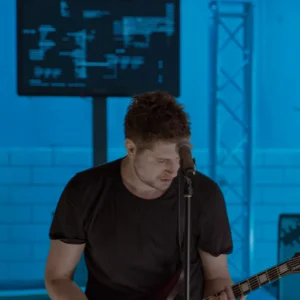

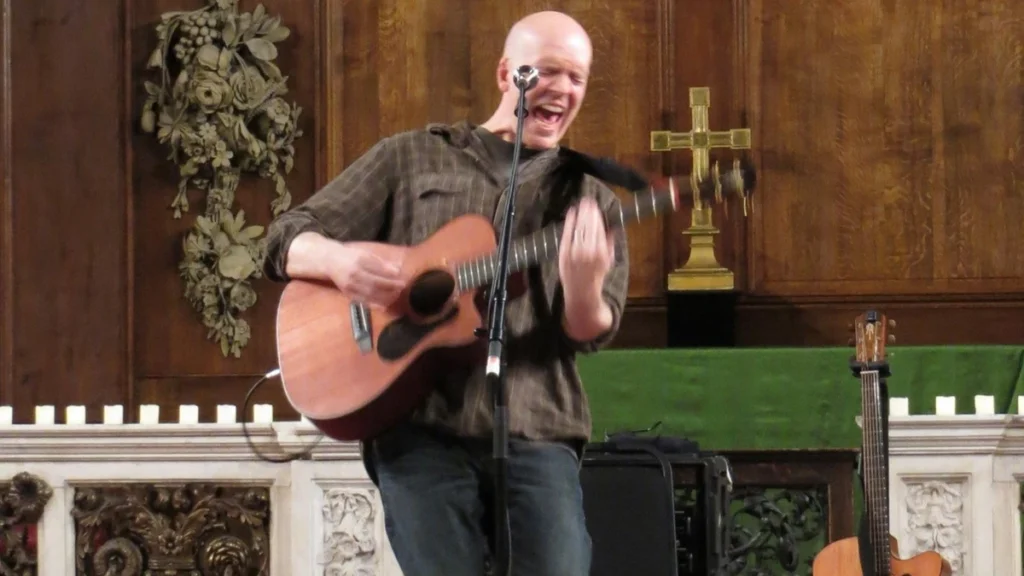
Thirty-one studio albums, twenty-three shows, ten countries, one performer. Devin Townsend played Union Chapel in London on Sunday 6 September, another date on Metamorphosis, the European solo run he is currently working across the continent.
The arithmetic is the story. A catalogue that size with no band behind it and no fixed running order means the setlist is drawn from a pool that is, as The MetalList put it, close to bottomless. Fan-filmed video from the night has since gone up as a YouTube playlist, one song at a time.
The Premise Removes Everything
Metamorphosis is built on subtraction. No band, no fixed running order, no production to disappear into. For a musician whose records are defined by density — layered guitars, choirs, orchestration, walls of processed sound — that is close to an inversion of the thing he is known for.
The setlist is expected to move night to night, which changes what a tour is. A conventional run rehearses a show and repeats it. This one requires the performer to decide, in the room, what the room wants, and to be able to play whatever that turns out to be.
Punky Brüster, Casualties of Cool, Devin Townsend Project and Strapping Young Lad all sit somewhere in that catalogue, and all of it is fair game. So, by design, are the surprises.
Union Chapel Is Not a Neutral Venue
The London date landed in a working Victorian church in Islington with pews instead of a standing floor. That is a specific set of acoustic and social conditions rather than a picturesque detail.
Pews mean a seated audience, which means quiet between songs and no movement in the crowd. A stone church means long natural reverb, which flatters a single voice and an acoustic guitar and punishes anything loud or fast. The room amplifies exactly what Metamorphosis is built around and would fight almost everything Townsend has done with a full band.
Choosing it is therefore a statement about the format. A venue that rewards unaccompanied performance leaves nowhere to hide, which is the same thing the tour’s premise says.
The Record This Follows Is a 24-Track Orchestral Album
The tour comes after The Moth, the orchestral metal record Townsend released in May through InsideOut Music. It runs 24 tracks and he has described it as his life’s work.
Its origin is unusually long. The idea existed vaguely for more than a decade before anything happened with it. Roughly six years ago, after an acoustic show in Amsterdam, the head of the Noord Nederlands Orkest approached him with an offer to bring an orchestra to his back catalogue, and the project moved from idea to production.
It was eventually split across three distinct releases. The main album sits alongside The Moth – The Afterlife, which foregrounds the orchestra and choir in what amounts to a purer version of the piece, and The Moth – The War, which documents the live debut performed in the Netherlands in March 2025 with all the exposed nerve a first performance carries.
Going From Full Orchestra to One Guitar
The sequence is what makes this interesting. An artist finishes the largest-scale project of his career — orchestra, choir, 24 tracks, three separate releases — and follows it by touring alone with no band at all.
Those are opposite problems. Orchestral writing is about controlling an enormous number of moving parts in advance, with the arrangement fixed before anyone plays. A solo show with a floating setlist is about controlling almost nothing and deciding in real time.
Doing both inside one year is a reasonable summary of a career that has never settled anywhere. Townsend came up fronting Strapping Young Lad, and records including Ocean Machine in 1997, Empath in 2019 and Lightwork in 2022 have made a virtue of swinging between brutality and something close to weightlessness.
Thirty-One Albums Is the Unusual Number
The catalogue size deserves more attention than it usually gets. Thirty-one studio albums across a career that began in the early 1990s is a release rate of roughly one a year, sustained for three decades, across projects that sound almost nothing alike.
Most artists at that level of output are working within one format, refining a single approach. Townsend has moved between industrial extremity, progressive metal, ambient, country-inflected side projects and now full orchestral writing, and has released consistently through all of it. That is a fundamentally different working method from perfecting one thing.
It also creates a practical problem no setlist can solve. Even a three-hour show can only reach a fraction of thirty-one albums, so any fixed running order would necessarily represent a small and arbitrary slice. A floating setlist is arguably the only honest response to a catalogue that size, because it stops the tour from pretending to be a summary.
The trade-off is that no single night can be definitive. A person attending one show sees one possible version of the run, which is a strange thing to sell tickets on and an unusually generous thing to offer someone attending several.
Why the Fan Footage Matters Here
A YouTube playlist assembled one song at a time is not usually worth noting. On a tour with no fixed setlist it functions as the only record of what actually happened.
Where a repeated show can be documented once, a run that changes nightly produces twenty-three different performances, and the audience is the only party capturing them. That turns fan recordings from a bootleg nuisance into the primary archive, and it means the tour’s real shape will only be visible afterwards, assembled from phone video across ten countries.
It also raises the stakes on individual nights. If a song appears once across the run, the people in that room are the only ones who will have heard it played that way.
The Format Is a Real Risk
Stripping a heavy-music catalogue down to one man and a stage is, on paper, the least likely move available to him, which is presumably why he made it.
Material written for layered guitars and orchestration does not automatically survive the transfer. Some songs are carried by their arrangement rather than by melody or lyric, and those are the ones that expose the format. A solo performer working from a catalogue this large is effectively auditing which of his own songs still function when everything supporting them is removed.
That is a genuinely uncomfortable test, and it is more revealing than any number of well-drilled band shows. Twenty-three nights of it, in ten countries, with the running order decided on the night, is not a victory lap after a career-defining album. It is a deliberately harder job taken on immediately afterwards.
There is a commercial reading of it too, and it is not the obvious one. A solo tour is cheaper to run than a band tour by a wide margin: no crew for a full backline, no shared fees, smaller venues that still sell out. An artist coming off an orchestral project with an orchestra’s costs attached has an obvious financial reason to spend the following months touring alone.
But that explanation only goes so far, because the format chosen is harder than it needed to be. A solo tour with a rehearsed, repeated acoustic set would deliver the same economics with a fraction of the risk. Choosing a floating setlist across ten countries adds nothing to the balance sheet and a great deal to the preparation, which suggests the reason is artistic rather than practical.
Long gaps and late returns are a recurring subject on this desk. Our piece on how Cursum Perficio closes a ten-year gap for Anthrax covers a very different way of handling one.
About Author